For little readers · Melissa Reynolds

Helping children understand

Gentle picture books that explain a parent's chronic illness, or a sibling's autism, from a child's point of view.

I'm a mama of four, and I live with chronic illness. These books answer the kinds of questions my own children were asking, in simple, honest, child-friendly language, and every one has been reviewed and approved by them.

The message running through them all: no matter how Mama feels, her love never changes.

Find the book for your family

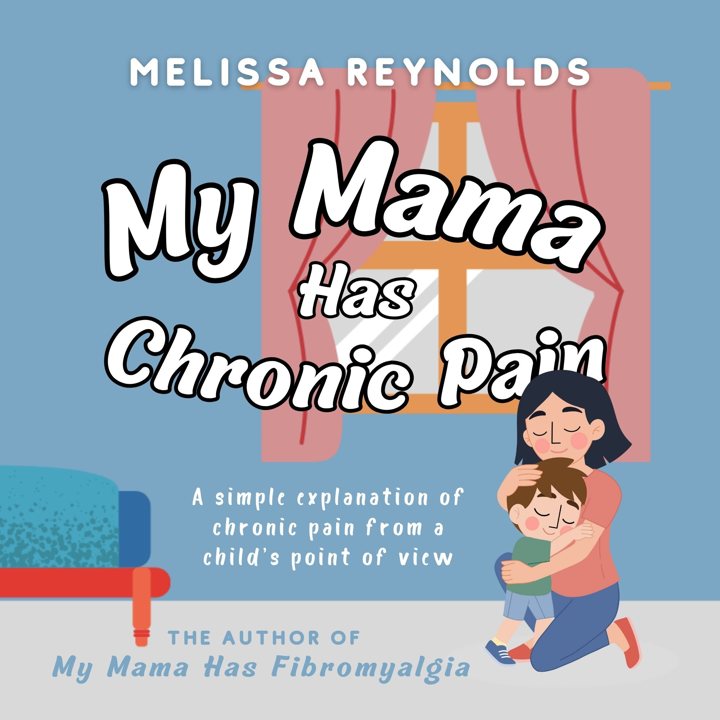
Cover of My Mama Has Chronic Pain: a mother hugging her young son by a window
Picture book

My Mama Has Chronic Pain

"Even when Mama is hurting, even when she needs to rest, she still loves me more than anything."

Wyatt's mama has chronic pain. Some days she feels okay; other days even small tasks are hard. Wyatt shares what it's like to have a mother with an invisible illness, explaining symptoms, diagnosis and management in simple words.

  • Children of parents with chronic pain
  • Starting family conversations
  • Teachers and carers
"This book was enlightening to read along with my children so they could also better understand how their mama has to cope with this invisible illness." Tracy, parent
Find it on Amazon
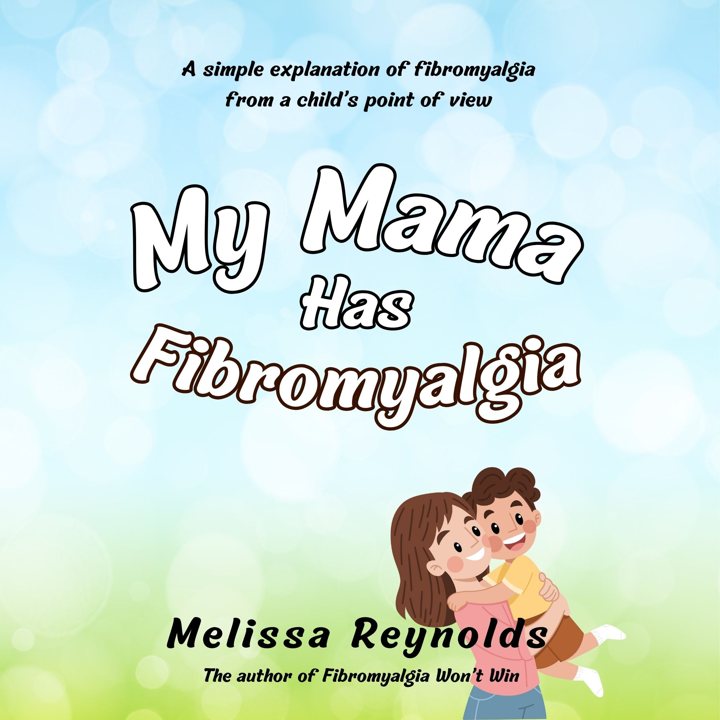
Cover of My Mama Has Fibromyalgia: a smiling mother carrying her son
Picture book

My Mama Has Fibromyalgia

"Even when Mama is tired, even when she's sore, she still loves me more and more."

Noah's mama has fibromyalgia. Some days she has enough energy to play; other days she needs to rest. Noah explains what it's like, and what helps, in a way children can understand and relate to.

  • Children of parents with fibromyalgia
  • Invisible illness
  • Building empathy
Choose your store
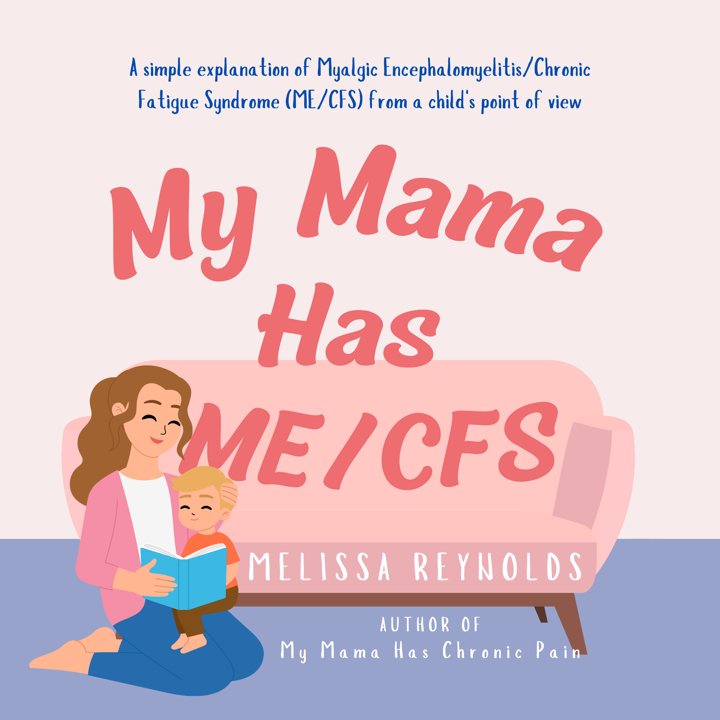
Cover of My Mama Has ME/CFS: a mother reading to her son on the sofa
Picture book · Ages 6–12

My Mama Has ME/CFS

"Even when Mama is exhausted, even when she needs to rest, she still loves me more than anything."

Nate's mama has ME/CFS. Some days she has energy to play; other days she needs to rest. Nate shares what it's like, answering the kinds of questions children ask, to help open gentle conversations at home.

  • Children of parents with ME/CFS
  • Long-term fatigue
  • Classrooms
"It was exactly what I would want my kids to know. I hope this helps them not feel alone concerning how it affects our family." A mama
Find it on Amazon
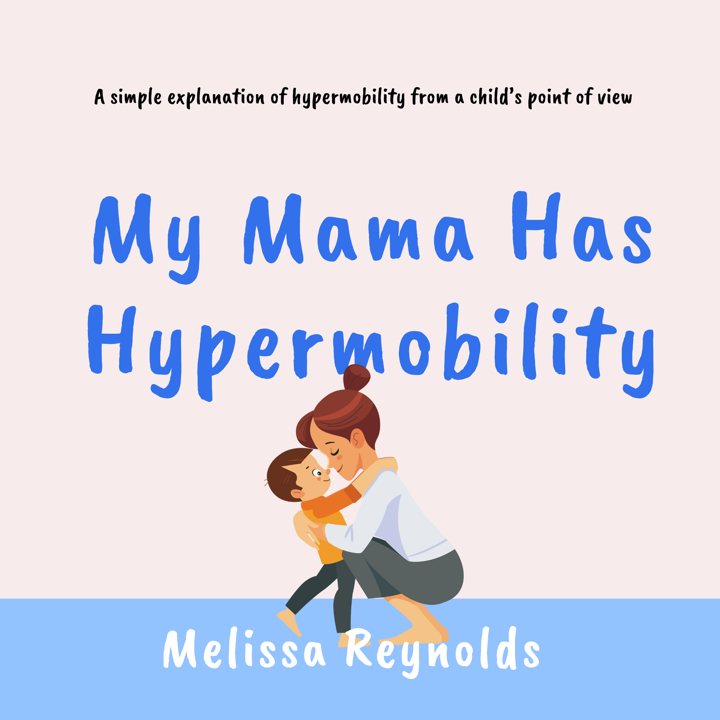
Cover of My Mama Has Hypermobility: a mother crouching to hug her son
Picture book

My Mama Has Hypermobility

Mama loves Everett, no matter how she feels.

Everett shares what it's like having a mama with hypermobility, breaking it down into simple terms. Written by a mother of four with hypermobility herself.

  • Children of parents with hypermobility or hEDS
  • Starting family conversations
Find it on Amazon
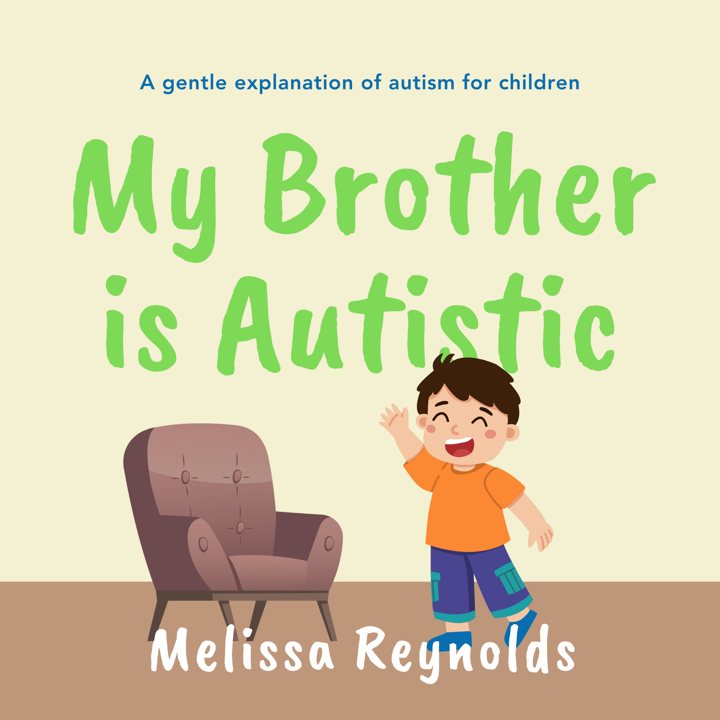
Cover of My Brother is Autistic: a happy boy waving beside an armchair
Picture book · Ages 6–12

My Brother is Autistic

A gentle explanation of autism for children.

A gentle, factual picture book to help children understand autism, written from a sibling's point of view. Written by a mama of four, including one autistic son, it opens the door to calm, supportive conversations about neurodiversity and inclusion at home and school.

  • Siblings and neurodiverse families
  • Classrooms and support groups
  • Encouraging kindness
Find it on Amazon

For the grown-ups

Living with chronic illness while parenting? My free tools might help you too.

Make a pain plan Gentle practices

Questions people ask

How do I explain my chronic illness to my child?

Simple, honest words help: what the illness is, what it means on hard days, and that it isn't their fault. Most of all, children need to hear that your love doesn't change, however you feel. That's the heart of each of these books, told by a child so it's easy to relate to.

What ages are these books for?

They're written for primary-school-aged children. My Mama Has ME/CFS and My Brother is Autistic are designed for ages 6–12, and younger children enjoy them read aloud.

Can teachers and health professionals use them?

Yes. They're written to start gentle conversations at home, in classrooms, in support groups and in clinics.